

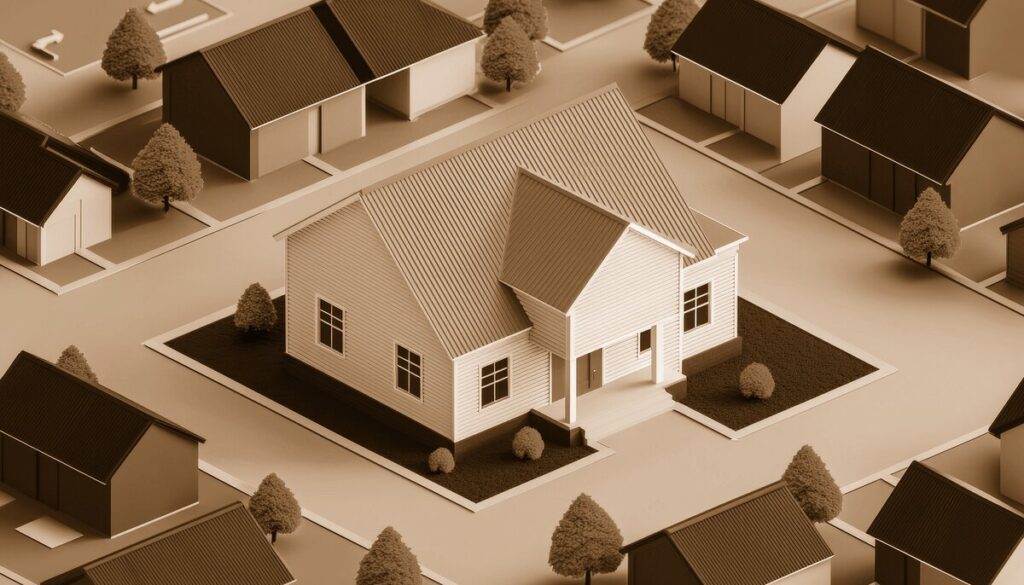
Nestled just southwest of downtown Raleigh, Boylan Heights is a neighborhood whose leafy streets, classic homes, and vibrant community spirit tell a rich story stretching back over a century. From its origins as part of a wealthy Raleigh family’s estate to its present-day reputation as a welcoming, creative enclave, Boylan Heights exemplifies the evolving heart of the city — a place where history lives alongside modern life.
The Roots of Boylan Heights
The story of Boylan Heights begins in the early 19th century, long before the neighborhood we know today was ever platted. The land was once part of a large property owned by William Montfort Boylan, a prominent publisher, railroad advocate, and politician. A member of Raleigh’s influential Boylan family, William inherited the property from his father, Robert Boylan, who had acquired it after moving from Philadelphia.
The Boylan family homestead, known as “Montfort Hall,” was constructed in 1858 and still stands at 308 S. Boylan Avenue. The imposing Italianate mansion became a symbol for the area and provided the family name that would eventually grace the entire neighborhood.
From Estate to Neighborhood
The transition from private estate to residential community began in the early 20th century. By 1907, urban growth and demand for suburban-style living prompted developers to purchase and subdivide the Boylan estate. The resulting “Boylan Heights” was one of Raleigh’s first planned suburbs, designed with thoughtfully arched streets, ample front yards, and vistas unique for the time.
Its layout — a curving network of roads like Florence, Kinsey, and Brookside, radiating from key thoroughfares such as Boylan Avenue and Cabarrus Street — was groundbreaking, inspired by the City Beautiful movement. Distinct from the downtown’s grid, Boylan Heights’ streets create a sense of intimacy and surprise, drawing residents and visitors alike into its leafy embrace.
Architectural Gems and Landmarks
Boylan Heights is revered for its architecture. Most homes were built between 1907 and the 1940s, representing a stunning collection of early 20th-century styles:
- Bungalows and Craftsman Homes: Characterized by broad front porches, decorative brackets, and inviting layouts, these cottages line Florence and Kinsey Streets.
- American Foursquare: Solid and symmetrical, you’ll spot these on South Boylan Avenue, often with the original columns and deep eaves still intact.
- Colonial and Tudor Revivals: Interspersed throughout, these homes feature steep roofs and decorative brickwork, especially on streets like South Street and Mountford Avenue.
The jewel of the neighborhood remains Montfort Hall, an officially recognized Raleigh historic landmark. Over the years, it transformed from a family residence to apartments, and most recently into a boutique inn, keeping the neighborhood’s history alive for generations to discover.
Key Historical Milestones
Boylan Heights’ timeline of transformation mirrors that of Raleigh itself. A few key milestones stand out:
- Early 1900s: Formal subdivision and neighborhood planning begins.
- 1915-1930: Most original homes are constructed, establishing the Craftsman and Foursquare character.
- 1975: Boylan Heights is officially added to the National Register of Historic Places, recognizing both its architecture and its role in Raleigh’s suburban story.
- 1980s-present: A vibrant community movement emerges, with restoration efforts and events like the annual Boylan Heights ArtWalk, where local artists open their homes and studios to the public.
Parks, Institutions, and Community Spirit
At the heart of Boylan Heights is the dynamic interplay between residents and place. Boylan Avenue Bridge, which crosses over the train tracks at the edge of the neighborhood, is both a literal and symbolic gateway. From the bridge, one can view downtown Raleigh’s skyline framed by old oaks and the train yard below — a vista that has inspired countless artists and photographers.
Park spaces like Project Enlightenment’s playground and the gentle slope of Dupont Circle offer green retreat. The neighborhood’s proximity to downtown, as well as to Dorothea Dix Park — one of Raleigh’s largest and most ambitious public green spaces — gives residents the best of both city and nature.
Interwoven with local institutions, the area’s energy thrives. Project Enlightenment, a beloved early-childhood education center on S. Boylan Avenue, has served local families for decades. Churches, small businesses, and the presence of artists and musicians only add to the spirit.
Changing With the Times
While Boylan Heights holds fast to its history, it is by no means frozen in time. Over the decades, the neighborhood has welcomed new waves of residents — young professionals, families, longtime Raleighites — all drawn to its sense of place and community involvement. Homes have been lovingly restored, and front porches are once again the scene of neighborly conversation and laughter.
Events like National Night Out, Halloween parades, and the annual ArtWalk connect the past and present, reminding everyone that Boylan Heights has always been about more than just beautiful buildings — it’s about connection.
What Makes Boylan Heights Special
Ask any Boylan Heights resident what sets it apart, and you’ll get a familiar answer: it’s the perfect blend of history and vibrance, of old trees and new ideas, of beautiful vistas and close-knit community. Here, every street tells a story, the skyline sparkles over the Boylan Avenue Bridge, and the legacy of the Boylan family endures in today’s porch swings, block parties, and quiet sidewalk strolls.
To walk the streets of Boylan Heights — along Florence, South Street, or up Kinsey — is to discover a unique Raleigh treasure, one where the past and present dance together beneath the shade of century-old oaks.